
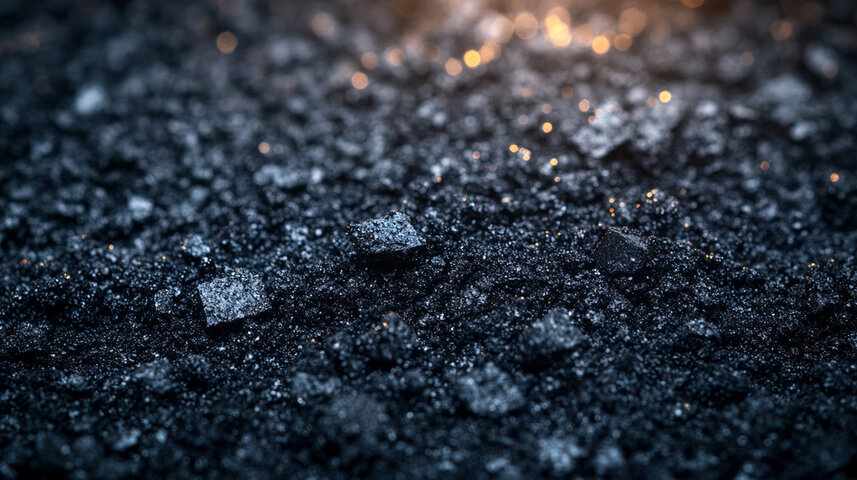
Long before anyone used words like carbon sequestration or soil microbiome, Indigenous farmers in the Amazon discovered how to turn poor, red clay into rich, black earth that still feeds crops today. They mixed charcoal from cooking fires with food scraps, bones, and compost and by accident or by genius, created terra preta, “black earth.”
Most tropical soils in the Amazon are heavily weathered and low in nutrients, losing fertility quickly after being cleared. Yet terra preta stood out. These human-made soils were deep, dark, and alive, rich in stable carbon, teeming with microbial life, and capable of supporting crops year after year. Even centuries later, they remain more fertile than the surrounding red clays, containing up to three times more organic carbon and higher nutrient-holding capacity. They are a living reminder that people can build soil, not just use it.
That same idea inspired a local project here in Napa Valley. In 2021, with funding from the Western Sustainable Research and Education Program, a vineyard trial was launched at Beaulieu Vineyard in Rutherford to test a simple but important question: Can biochar and compost actually improve soil health in Napa vineyards?
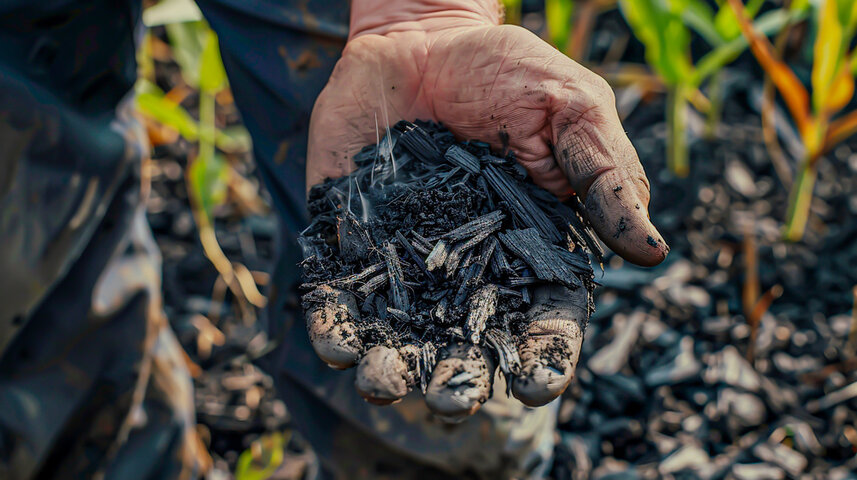
Healthy soils are the foundation of resilient vineyards. As organic matter increases, soil structure and microbial activity improve, helping soils hold more water, cycle nutrients more efficiently, resist erosion, and store carbon, which supports both vine health and climate resilience. The bottom line is simple: compost builds life, and biochar helps that life last longer. Can we show that theory at work here in Napa Valley?
The vineyard trial site, a young Cabernet Sauvignon block with low organic matter and stressed vines, was chosen because it reflects what many growers in the North Coast face, soils that could improve significantly with just a little help. The project, led by Napa County Resource Conservation District and Treasury Wine Estates, compares four treatments side by side: compost alone, biochar alone, both together, and a control with no amendments.
Annually, we have measured soil organic matter, microbial activity, water retention, and vine performance, and will continue to track these metrics over time (as long as funding allows), recognizing that meaningful improvements in soil health can take many years to emerge.
So far, the results are promising:
· Compost and biochar together are storing the most carbon, nearly 11 times more than the control, or close to 8 tons in total. This is an early sign of strong potential long-term climate benefits.
· Compost alone shows the strongest early improvements in soil structure and active carbon, both indicators of growing microbial activity and fertility.
· The compost + biochar plots show slightly higher soil respiration, hinting at more active soils that may continue developing over time.
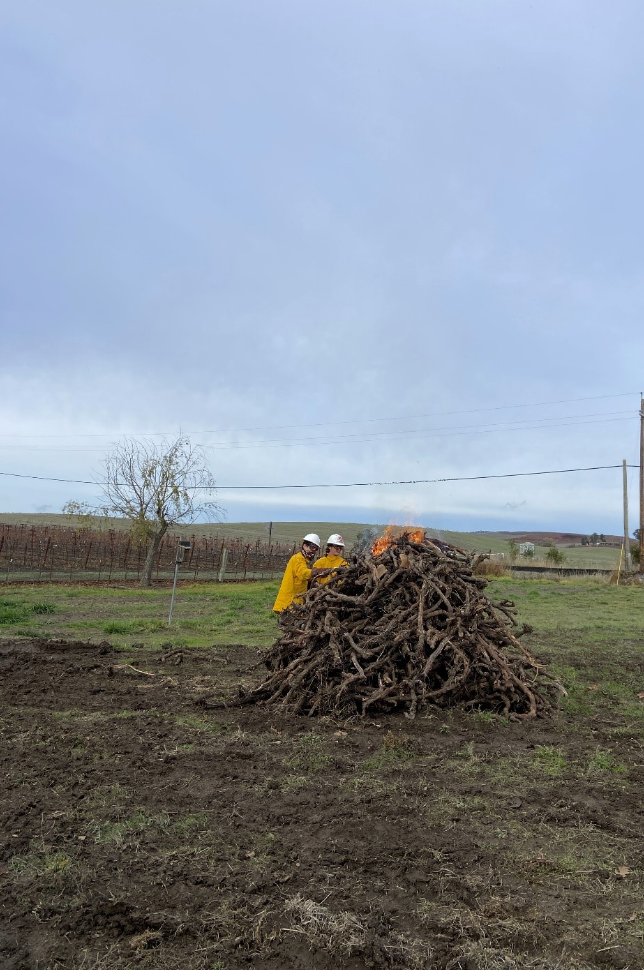
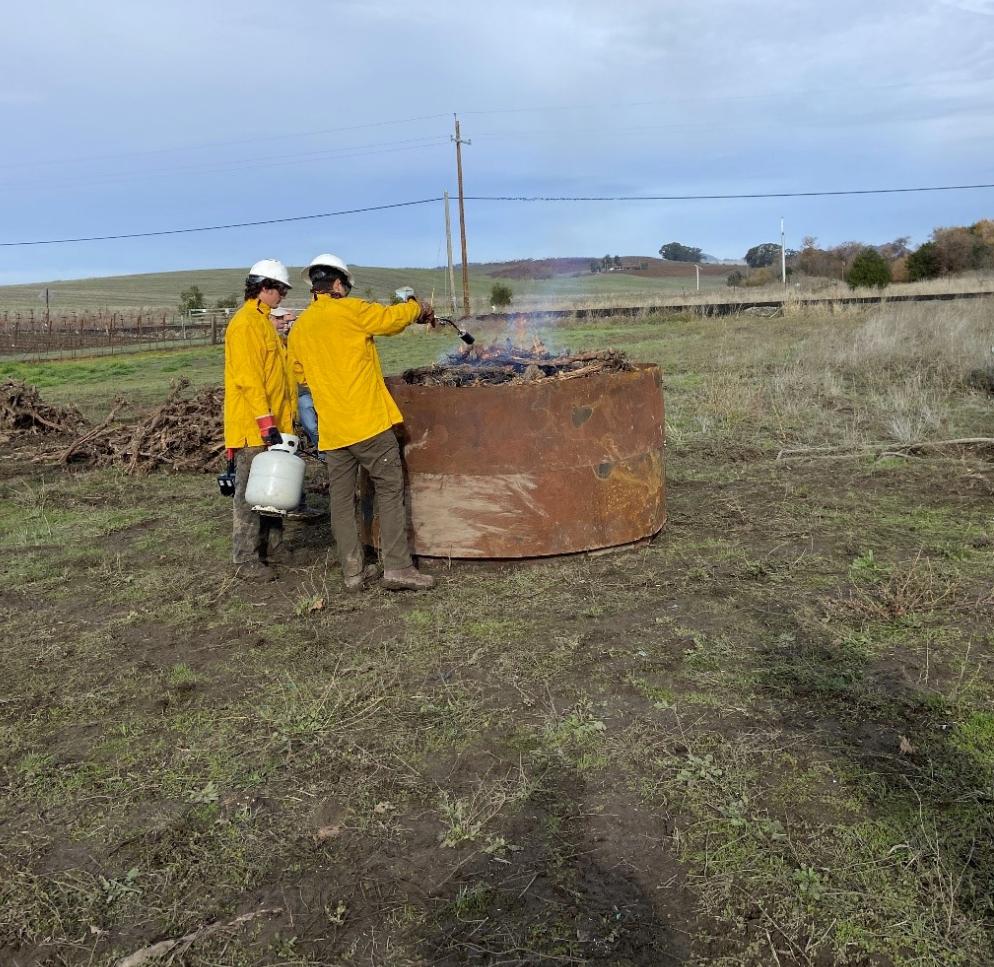
Biochar production in kiln
While it is still early to link these changes to grape yields or quality, initial results suggest that compost is improving soil health, and that biochar may be enhancing those benefits. We will continue to monitor these trends in soil health to confirm the long-term impact of compost and biochar amendments.
What those Amazon farmers discovered centuries ago still holds true today: healthy soils don’t just happen, they are built. The terra preta they left behind reminds us that long-lasting fertility comes from giving back to the soil, not taking from it. By caring for our soils today, we can leave behind a living foundation that remains fertile, resilient, and full of life for those who will walk it after us.
Miguel García
Senior Project Manager, Agriculture